

Pollarding
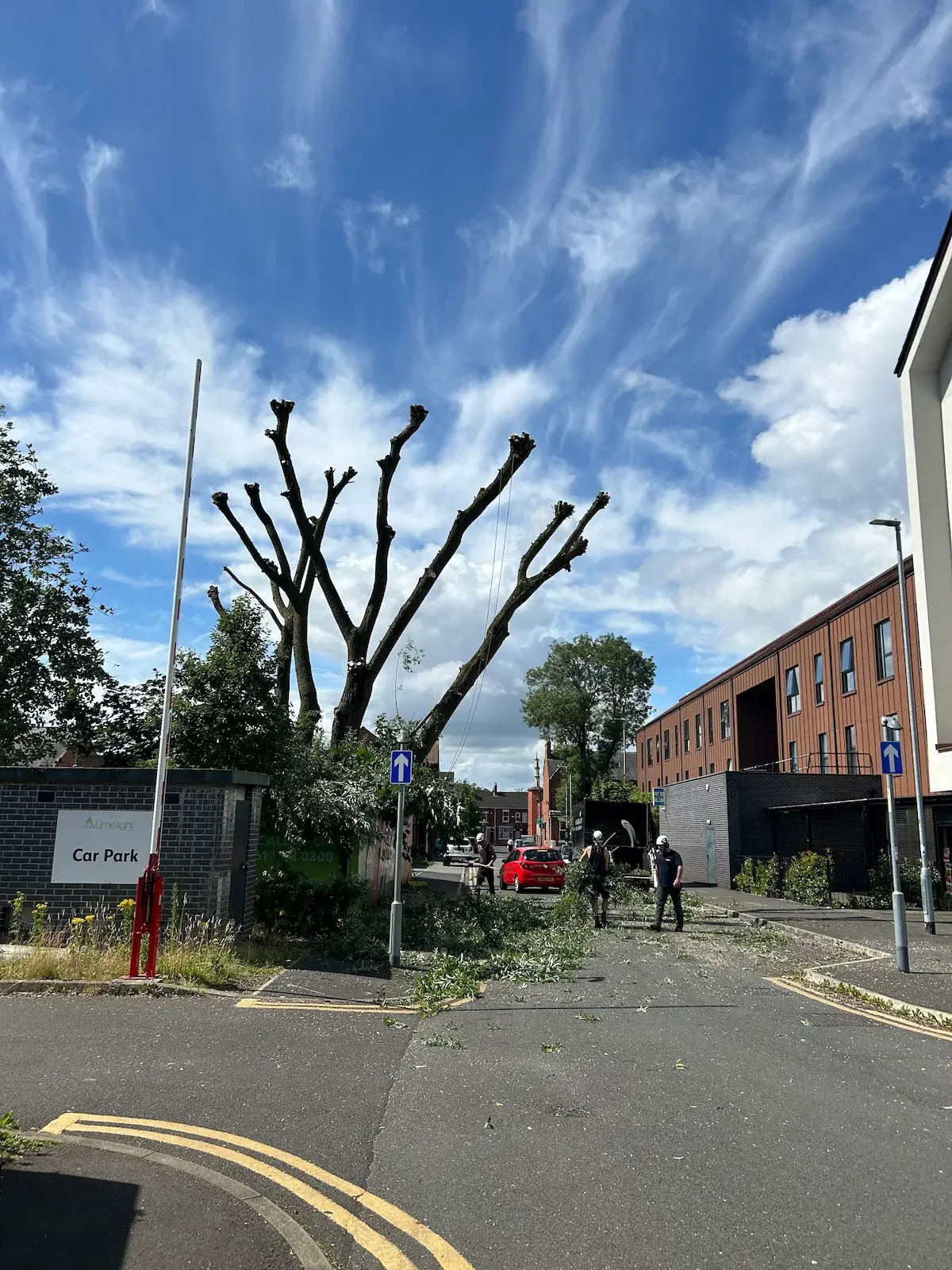
This is a species dependent service, as it is essentially a hard prune back to the structural timber, think, coppice on a stick. It can be a good option for trees that need to be managed in tight spots or where light is an issue. Semi regular visits to re-pollard are recommended on a 3-6 year period to prevent overgrowth.
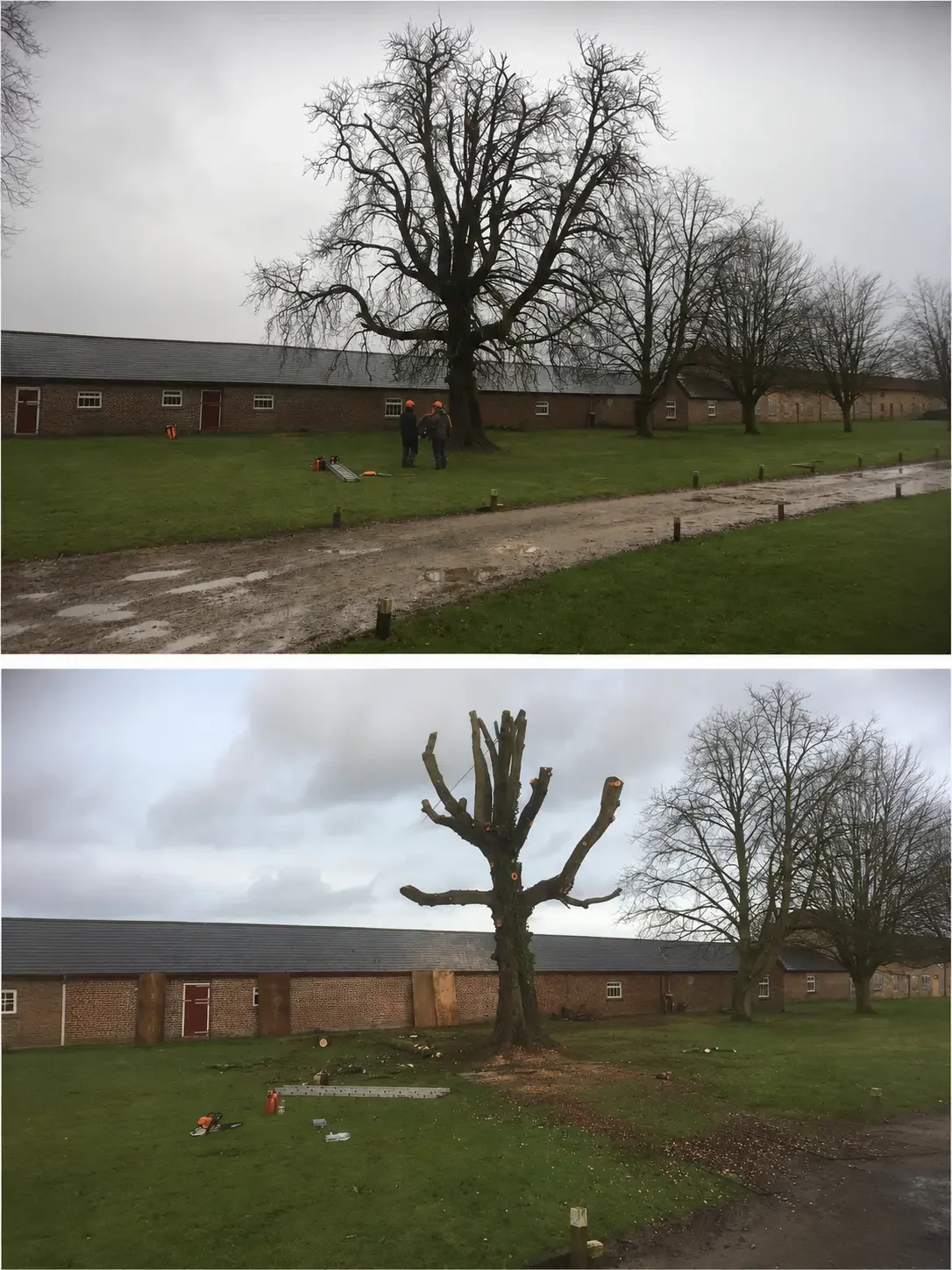
Some species are more sensitive to being pollarded and other services would be suggested upon enquiry. However, for the right species it can be a great way to keep the tree in all its glory, all the while, more manageable and less of nuisance.
Species that respond well to this include: Willow, Lime and London Plane. The latter two of which you often see lining the streets of Manchester, in a pollarded form!